Loading...
Serving Alexandria, LA and surrounding areas. (318) 206-4010
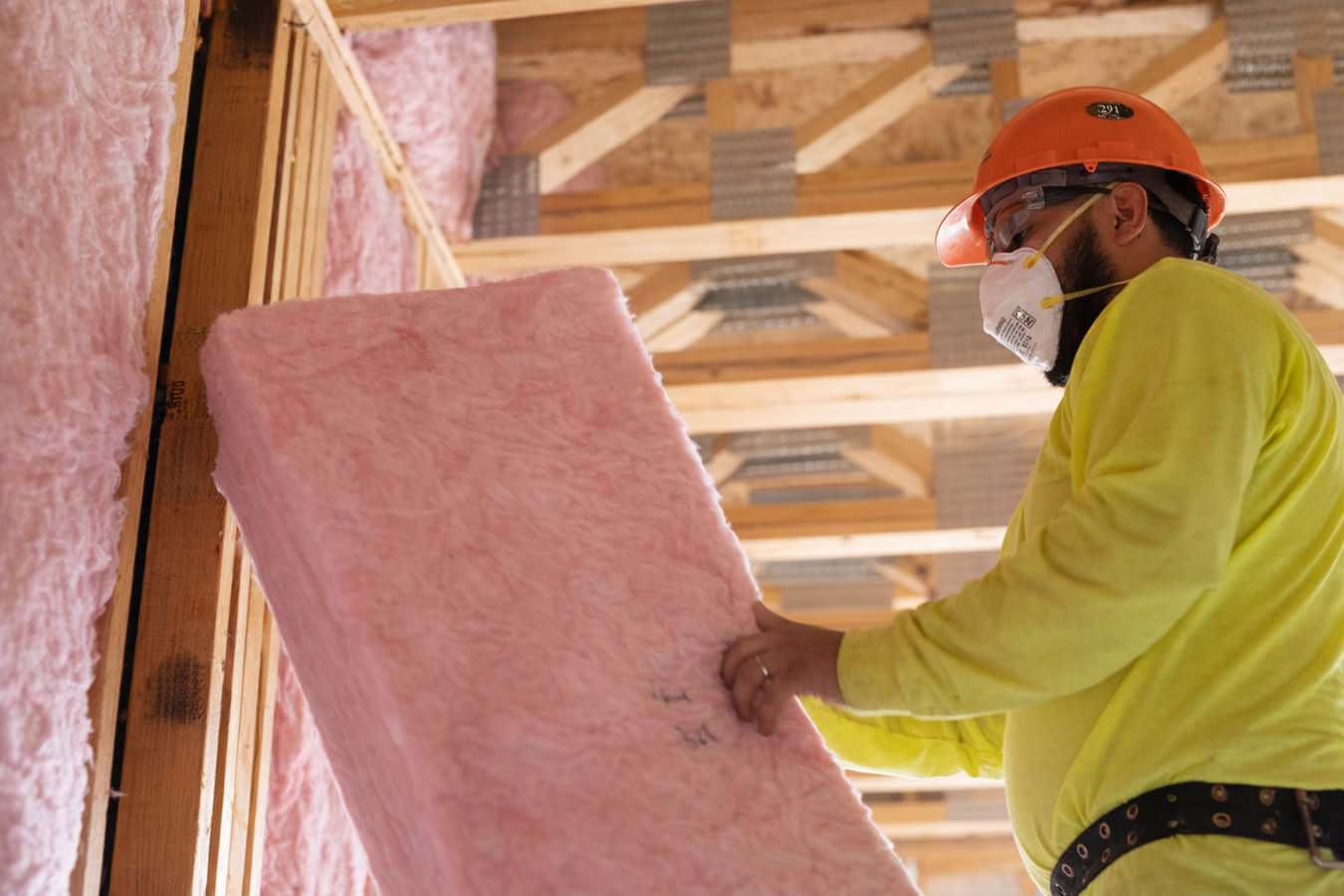
Your home does not need major work to get better insulation. We add blown-in and spray foam through existing openings - no demo, no mess, real results on your Cleco bill.
Retrofit insulation in Alexandria, LA means adding new insulation to a home that is already built - through attic hatches, small access holes, and crawl space openings - without tearing down walls or doing a major renovation. Most jobs are completed in one day and start reducing your cooling costs within the first summer after the work is done.
A significant share of Alexandria homes were built before 1980 in neighborhoods like Inglewood, Versailles, and the Garden District - when minimal insulation was standard and air conditioning was designed to compensate. If your home has never had insulation work done, it is almost certainly running far below the level that energy experts recommend for Louisiana's climate. Pairing retrofit insulation with spray foam insulation in the crawl space and rim joist areas closes the full picture for older Alexandria homes that sit on pier-and-beam foundations.
Louisiana sits in Climate Zone 2 under federal energy guidelines, which calls for significantly more attic insulation than most older homes in the region currently have. A contractor doing a proper assessment will measure what you have and show you exactly what needs to change.
If your cooling costs from June through September feel out of proportion to your home size, under-insulation is one of the most common causes. Alexandria's summer heat is intense enough that a well-insulated and a poorly insulated home of the same size can have bills that differ by hundreds of dollars a month.
If one or two rooms stay stuffy and warm even when the AC is running, heat is getting in through an under-insulated ceiling or wall. In Alexandria this is especially common in rooms directly below the attic or at the ends of the house with the most sun exposure. It is not an AC problem - it is an insulation problem.
Homes built in Alexandria before the 1980s were typically constructed with very little wall insulation and minimal attic coverage by current standards. If you cannot recall any insulation work being done, there is a strong chance you are running on whatever was installed at construction - which is almost certainly not enough for today's energy costs.
In Alexandria's humid climate, moisture problems and insulation problems often go hand in hand. Water stains on ceilings, musty smells in certain rooms, or visible moisture in a crawl space are signs worth having assessed at the same time. Addressing one without the other often means the problem comes back.
We install blown-in fiberglass and cellulose insulation in attics and enclosed wall cavities, and spray foam in crawl spaces, rim joists, and tight spots around pipes and ducts. Blown-in material is the standard choice for attics because it fills irregular spaces evenly and can be installed to the exact depth your home needs. Spray foam is used where air sealing and insulation need to happen in the same step - particularly in crawl spaces on pier-and-beam homes, which is common across Alexandria. We always seal gaps and cracks before adding new material, because adding insulation over unsealed gaps wastes the investment.
For homeowners who want to address both air movement and heat transfer in one project, we combine retrofit insulation with home insulation planning for a whole-home approach. The U.S. Department of Energy recommends significantly higher insulation levels for Louisiana than most older homes currently have, and a proper assessment will show you exactly where yours falls short.
Best for homes where the attic is the primary source of heat gain - the most common upgrade and the one with the fastest payback.
For homes with uninsulated wall cavities - installed through small access holes that are patched and finished after the job.
Addresses pier-and-beam homes where heat, humidity, and pests enter through an open crawl space below the floor.
Closes air and heat pathways where floors meet foundation walls - a high-impact area often skipped in older insulation work.
Alexandria's summers are long, hot, and relentlessly humid - average highs stay above 90 degrees from June through August, and the AC season stretches well past Labor Day. A home with thin or degraded insulation forces your air conditioner to work much harder than it should during those months, and the cost difference between a well-insulated and a poorly insulated home in this climate is not trivial. Many older Alexandria homes were built to rely on ventilation rather than insulation, and decades of settling, moisture, and pests have left whatever original material existed in poor condition. The federal government's recommended insulation levels for Climate Zone 2 - Louisiana's designation - are significantly higher than what most homes in this area currently have.
We serve homeowners across central Louisiana, including in Pineville and Leesville, where the same housing stock and climate conditions apply. Many older homes in those areas - like Alexandria's Inglewood and Garden District neighborhoods - were built on pier-and-beam foundations, which means the crawl space is just as important as the attic when it comes to heat gain and moisture control. A retrofit insulation project that addresses both is one of the most cost-effective improvements you can make to an older Louisiana home.
When you reach out, we ask about the age of your home, what areas you are concerned about, and whether any work has been done before. We respond within 1 business day and schedule a free in-person assessment.
A contractor inspects your attic, crawl space, or walls - wherever the work is likely needed. They measure existing insulation, check for moisture damage, and identify air leaks that should be sealed before new insulation goes in. This takes 30 to 60 minutes and ends with a plain-language explanation of what they found.
You receive a written estimate that breaks down labor, materials, and any additional work like air sealing or old insulation removal. A good estimate lets you compare multiple quotes fairly without surprises.
The crew installs insulation using blowing equipment, spray foam, or both depending on the areas. Most attic jobs take a few hours. Before leaving, they clean up, patch any access holes, and walk you through the finished work so you can see what was done.
Written estimate before any work starts. No pressure, no obligation.
(318) 206-4010Our crews retrofit insulation in central Louisiana homes every week and know the local housing stock. You get a free written estimate and documented work on every project we do.
We work in Alexandria and across 11 surrounding communities in central Louisiana every week. We know the older pier-and-beam housing stock here, the clay soil issues, and the pest pressure - and we plan for all of it.
We seal gaps and cracks before adding any new material - not as an upsell, but because skipping it leaves the most important part undone. A contractor who covers gaps with insulation instead of sealing them first is setting you up for problems.
We respond within 1 business day of every inquiry. You get a real appointment and a real written estimate - not a voicemail and a follow-up that never comes.
We work in Alexandria and across central Louisiana every week and understand the older housing stock, the climate, and the specific conditions that make insulation upgrades here different from other parts of the country. Every project starts with an honest assessment and ends with documentation you can use for your federal tax credit.
The IRS Energy Efficient Home Improvement Credit covers up to 30 percent of qualifying insulation costs. Ask us for the product documentation you need when you file.
High-performance spray foam applied to attics, crawl spaces, and rim joists for maximum air sealing and insulation in one step.
Learn moreA whole-home insulation assessment and upgrade plan covering every area where heat is entering or conditioned air is escaping.
Learn moreAlexandria cooling season is long and expensive - get your home ready now and see the difference on your first bill.